

A persistent toothache can be more than a temporary inconvenience. In some cases, discomfort develops because the inner portion of a tooth has become inflamed, infected, or damaged. When this happens, delaying care can allow the problem to progress and place the natural tooth at greater risk. For patients experiencing these concerns, root canal treatment Woodland Hills can provide a way to address the source of the problem while helping preserve the existing tooth.
Root canal therapy is designed to treat problems involving the pulp, the soft tissue located inside a tooth. This area contains nerves, blood vessels, and connective tissue. Deep decay, cracks, trauma, or other forms of damage may allow bacteria to reach the pulp and cause inflammation or infection. When that happens, the tooth may become increasingly sensitive or painful and may require professional treatment to prevent the problem from becoming more serious.
Not every toothache means a root canal is necessary, but certain symptoms can indicate that the inside of the tooth needs to be evaluated. Persistent pain, sensitivity to hot or cold temperatures, discomfort when biting, swelling around the gums, or tenderness near a specific tooth may all be signs of a deeper issue. In some cases, symptoms may temporarily improve even though the underlying problem is still present, which is why a dental examination is important when discomfort continues or returns.
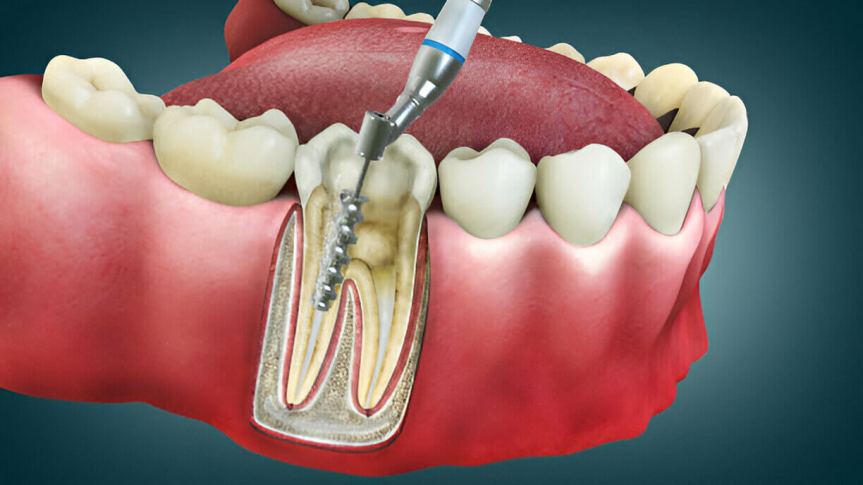
The goal of root canal therapy is to remove infected or damaged tissue from inside the tooth while preserving as much of the natural structure as possible. During treatment, the dentist accesses the inner portion of the tooth, removes the affected pulp, and carefully cleans the internal spaces. Once the area has been prepared, it is sealed to help prevent bacteria from re-entering the tooth.
One common misconception is that root canal treatment removes the entire tooth. In reality, the purpose of the procedure is often the opposite. By treating the infection or damage inside the tooth, the dentist may be able to preserve a tooth that could otherwise require extraction. Keeping a natural tooth whenever appropriate can help maintain normal chewing function and preserve the balance of the surrounding teeth.
Natural teeth play an important role in the way the entire mouth functions. When a tooth is removed, nearby teeth may gradually shift toward the empty space. This movement can affect the bite and may create additional areas that are more difficult to clean. Tooth loss may also require future restorative treatment such as a dental bridge, implant, or another replacement option. Preserving the original tooth can help avoid some of these changes when the tooth can still be successfully restored.
After root canal therapy, the remaining tooth structure may need additional protection. Teeth that require this type of treatment are often already weakened by deep decay, fractures, or previous dental work. Depending on the condition and location of the tooth, a dental crown may be recommended to help restore strength and function.
A crown covers the visible portion of the treated tooth and can help protect it during normal biting and chewing. It can also be designed to fit naturally with the surrounding teeth. The restoration is an important part of the overall treatment process because removing the infected tissue alone does not always provide the structural support the tooth needs for long-term use.
Root canal-treated teeth still require regular care. Although the nerve tissue inside the tooth has been removed, the remaining tooth structure and surrounding gums can still be affected by plaque, decay, gum disease, or damage. Daily brushing, flossing, professional cleanings, and routine dental examinations remain important for maintaining the treated tooth and the rest of the smile.
Patients should also pay attention to any changes around the restored tooth. New discomfort, swelling, damage to a crown, or changes in the bite should be evaluated rather than ignored. Routine dental visits allow the dentist to monitor the restoration and surrounding tissues and address concerns before they become more complicated.
For patients considering root canal treatment Woodland Hills, the first step is determining what is causing the discomfort and whether the tooth can be preserved. Smiles by Eddie provides restorative dental care for patients with infected, damaged, or painful teeth, with treatment planned around the condition of the tooth and the patient’s overall oral health.
Root canal therapy can be an important option when the goal is to eliminate infection while maintaining a natural tooth. With timely evaluation, proper restoration, and consistent dental care afterward, patients can protect their oral health and continue using the treated tooth comfortably for years to come.

