

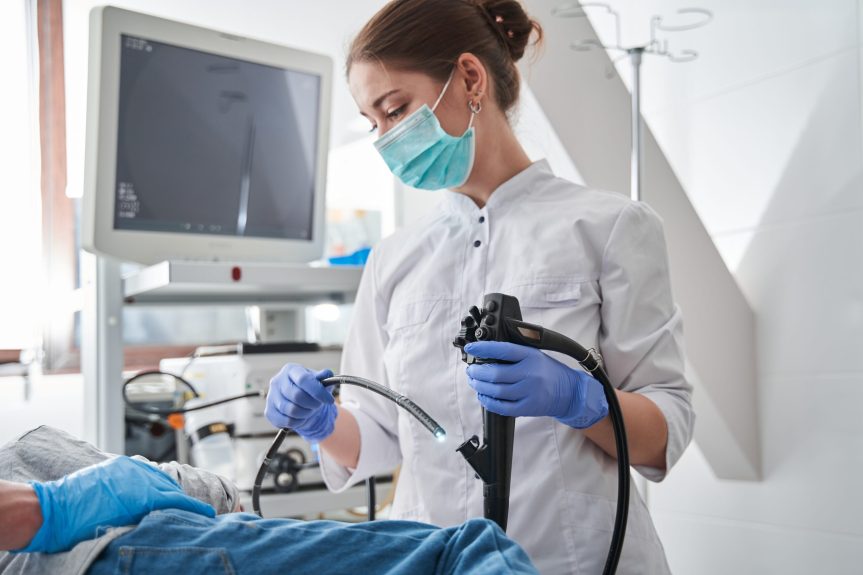
Most people don’t plan for this test ahead of time. It usually comes up after a few visits, when the same issue doesn’t settle or keeps coming back. Nothing dramatic, just enough to feel like something isn’t right. That’s when Curasia gastroscopy starts getting mentioned, not as something serious right away, but as a way to finally understand what’s going on.
Situations where this test becomes necessary for clarity
It’s not suggested without a reason.
Ongoing acidity that just does not settle down. That upper stomach discomfort kind of hangs around longer than you expect. And sometimes, even swallowing feels a bit off. These are usually what set things off.
Not strong enough to panic, but not normal either.
How the process is explained to first time patients
The explanation is usually simple. A thin tube with a camera is used to check the upper digestive area.
Yes, through the mouth. That part tends to hit people first.
Then once it’s broken down properly, the tension drops a little. Still not something anyone waits for, but it doesn’t feel as heavy anymore. After that, Curasia gastroscopy feels less like something to worry about and more like a step that helped clear doubts that had been sitting there quietly for a while.
What people usually feel before and during the test
Before the test, there’s always some level of tension. During the procedure, most people realise it’s more manageable than they expected. It may feel a bit strange, but it doesn’t last long. That difference between expectation and reality stands out.
How doctors use results to guide next steps
Once the results are in, things start to feel clearer. It might show irritation, small ulcers, or other changes. Sometimes everything looks normal, which can feel like a relief more than anything else.
Other times, it gives a clear direction for treatment. And that clarity matters.
What recovery looks like after the procedure
Recovery is usually quick for most people. Some feel normal almost immediately. Others take a bit of time, especially if sedation was used. Nothing too complicated, but it depends on how each person reacts.
People often ask the same things. Will it hurt. How long will it take. Can I go home the same day.
Simple questions, but important ones.

