

When you’re mapping out long-term performance—whether for personal health, a workforce, or even a community—some systems reveal themselves as hidden leverage points. One of the most overlooked is the biological network that quietly determines resilience, recovery, and functional strength. It’s not a single organ or a single habit but a dynamic internal exchange that rewards precision, consistency, and informed strategy. Understanding that internal dialogue is where sustainable progress truly begins.
1. The Endocrine–Mineral Axis: Precision in Calcium Regulation
Here’s the part most people ignore: your bones and teeth aren’t just passive scaffolding. They’re active participants in a mineral exchange market moderated by your bloodstream, and it’s far more radical than “take more calcium.” When I work with executives, med teams, or high-output professionals, I see the same surprise every time—they’ve underestimated this system.
A few reality checks:
- PTH and active Vitamin D don’t “assist”—they command. They decide when calcium gets hoarded or liquidated.
- Magnesium and K2 act like air-traffic controllers, guiding calcium away from dangerous zones and sending it precisely where structural strength is needed.
- Your kidneys? They’re the unsung regulators, and even a slight inefficiency can wreck mineral balance and fracture your long-term stability.
This isn’t supplementation. This is strategy—designing a mineral ecosystem that stays stable even under pressure. Meanwhile, if you need an immediate, tactical sensory immersion, you can search Vape Store Near Me to find a selection of bold flavors and sleek, high-performance devices, allowing you to appreciate the finer edge of style and functionality during your reset time.
2. Bone Marrow, Architecture, and the Blood-Building Engine
Whenever I advise individuals or institutions about improving vitality or workforce resilience, the conversation inevitably touches on marrow health—though most don’t realize it. Deep in the bone structure, blood production relies on a stable, well-nourished environment. If that environment weakens, so does capacity.
Practical insight includes:
- A compromised bone matrix can slow hematopoiesis, reducing immune readiness and oxygen distribution.
- Disorders like multiple myeloma illustrate how fragile the relationship is, as malignant cells can erode bone from within.
- Even chronic anemia alters bone healing by starving osteocytes of oxygen.
It’s a reminder that structural integrity is never just structural; it fuels the bloodstream that fuels performance at every level.
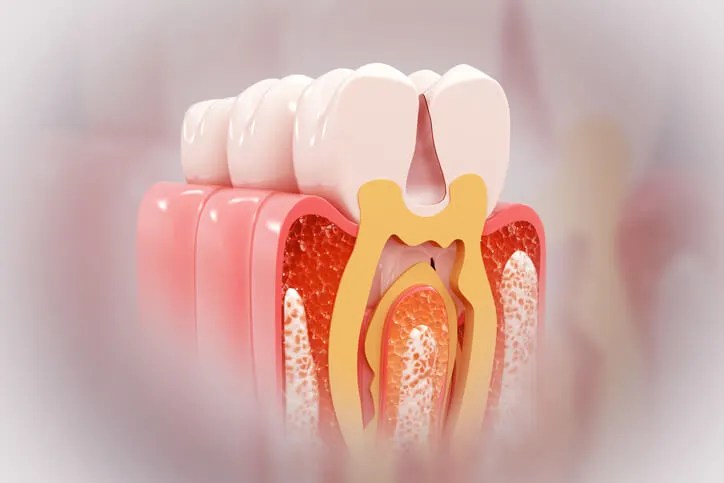
3. Immune Dynamics and Oral Integrity: When Systemic Signals Hit the Mouth
When organizations aim to reduce downtime or individuals seek better long-term health, oral integrity is rarely the starting point—yet it should be. The gums are a frontline test of systemic inflammation.
Real-world scenarios show:
- Bloodborne inflammatory cytokines can escalate gum breakdown, driving alveolar bone loss.
- Conditions like diabetes reshape immune efficiency, allowing periodontal issues to accelerate unchecked.
- In osteoimmunology, specific white blood cells influence how aggressively bone is broken down or rebuilt.
This is where strategic intervention pays off: manage inflammation systemically, and the mouth often stabilizes without excessive localized treatment.
4. The Blood-Bone-Teeth Feedback Loop
The loop cycle between these systems is one that is tight and bidirectional. The relationship is one of mutual support: the blood feeds the bones and teeth with vital and selective nutrients (like calcium and phosphate) and regulatory hormones. Conversely, the bone empowers the core of the blood by housing the bone marrow, the factory responsible for all blood cell production.
The goal is to ensure optimal mineral loading, within dosage limits. Ensuring a “steep gradient” for minerals and nutrients helps they move efficiently from the blood into bone and teeth cells. However, vitamin K2 is the pivot in this; Without Vitamin K2, minerals can be deposited haphazardly or even harmfully in soft tissues (like blood vessel walls) instead of bone.
In essence, blood, bone, and dental health aren’t independent chapters; they’re a tightly woven network. When one system shifts, the others respond. Recognizing that interplay empowers individuals, teams, and healthcare professionals to act before crises surface. And that’s the real strategic advantage—addressing biology at the level where resilience is actually built.
 Cares My Health Blog