

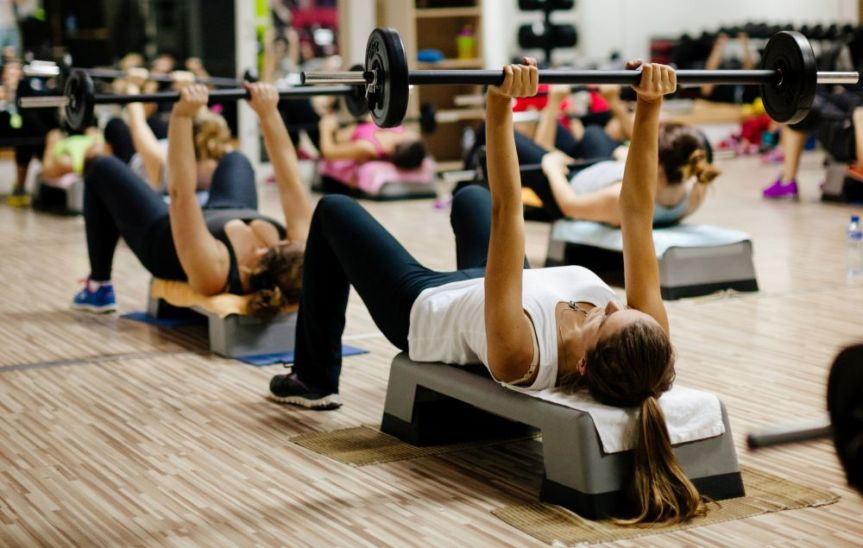
Singapore’s fitness scene is thriving, with more people choosing structured exercise as part of their daily routine. Yet, many individuals still struggle to maintain consistency once the initial excitement fades. The key to overcoming this challenge lies in community-driven motivation. A gym membership in Singapore that includes access to group fitness programs doesn’t just help people stay active; it transforms how they approach health by making accountability enjoyable. Science shows that shared goals and social connection significantly improve long-term commitment to fitness.
Why Motivation Alone Isn’t Enough
Motivation often fluctuates. At the start of a new fitness journey, enthusiasm is high, but it can fade when results slow or schedules get busier. This is why depending solely on personal motivation rarely sustains long-term progress. What truly drives consistency is accountability, structure, and social reinforcement.
The human brain responds positively to shared experiences. When people work out with others, the collective energy reinforces effort, and social validation encourages persistence. It’s not just about the workout itself; it’s about being part of something larger than individual effort.
The Psychology Behind Group Fitness Motivation
Group training taps into several psychological principles that enhance performance and consistency.
1. Social Accountability
When people commit to a scheduled class, they are more likely to attend because others expect them to show up. This subtle form of peer pressure is one of the strongest motivators for maintaining attendance.
2. Sense of Belonging
Humans are social by nature. Belonging to a community that shares similar goals provides emotional support and reduces feelings of isolation. Members feel seen, valued, and connected—key ingredients for sustained engagement.
3. Positive Reinforcement
Seeing others push through challenges boosts self-belief. The energy of the group acts as encouragement, increasing endorphins and improving overall workout satisfaction.
4. Competition and Collaboration
Healthy competition can inspire individuals to challenge themselves, while teamwork during group workouts promotes collaboration. This balance of competition and support makes group fitness both motivating and enjoyable.
The Science of Collective Energy
Studies in sports psychology have found that group workouts can increase exercise performance by up to 20%. This phenomenon, known as the Köhler Effect, suggests that individuals work harder when surrounded by others who are slightly more capable. The shared energy creates a sense of accountability that improves endurance and focus.
This explains why high-energy classes like spin, HIIT, and circuit training are popular in Singapore. The music, lighting, and group rhythm stimulate dopamine and serotonin release, creating a positive feedback loop that keeps participants coming back.
How Group Fitness Builds Consistency
Consistency is the foundation of progress. Group fitness programs make it easier to stay consistent by combining structure, enjoyment, and responsibility.
Structured Schedule
Unlike open gym sessions, group classes run at fixed times, forcing members to plan their workouts around them. This reduces procrastination and builds routine.
Emotional Connection
Participants often form friendships within classes, and the emotional connection becomes a reason to return. When you know familiar faces will be there, missing a session feels like missing a social event.
Shared Progress
When a group collectively celebrates milestones, such as completing a challenge or improving strength, motivation spreads through the community. Seeing others succeed encourages individuals to stay on track.
Singapore’s Culture and Group Fitness Growth
Singapore’s lifestyle is shaped by long working hours, structured routines, and a strong sense of community. Group fitness aligns perfectly with these cultural traits. It allows individuals to stay active in a time-efficient way while maintaining social interaction.
Many gyms now design programs for specific goals—fat loss, strength building, or stress reduction—so members can choose based on their personal objectives. The emphasis on shared progress appeals to Singaporeans who value both productivity and belonging.
The Role of Technology in Enhancing Motivation
Modern fitness technology has amplified group motivation. Apps, smart wearables, and digital tracking tools allow members to measure performance, share progress, and join online challenges.
Popular tech-driven motivational features include:
-
Leaderboards: Ranking systems in classes add friendly competition.
-
Progress tracking: Apps show measurable improvement over time.
-
Community chats: Virtual support groups keep members connected even outside the gym.
-
Performance analytics: Smart watches and heart rate monitors provide instant feedback.
These tools ensure that motivation doesn’t rely solely on emotion—it becomes backed by visible data and measurable success.
Group Fitness as a Stress Relief Tool
In Singapore’s fast-paced environment, many people experience high stress levels from work and personal obligations. Group workouts provide a structured outlet for emotional release.
During high-intensity sessions, physical exertion burns away stress hormones like cortisol while boosting mood-enhancing chemicals such as endorphins and dopamine. The group atmosphere adds to the mental lift by creating a positive, social space.
After class, members often leave with not just physical satisfaction but also emotional clarity and calmness, making exercise a natural form of therapy.
Building Accountability Through Trainers and Peers
Accountability doesn’t just come from peers—it also comes from trainers. Skilled instructors play a vital role in sustaining motivation. They learn members’ names, monitor progress, and encourage improvement without judgment.
This personal connection creates a dual accountability system: members commit to the group, and trainers commit to the members. When people feel both seen and guided, they are more likely to stay consistent and reach their goals.
For instance, a trainer who remembers that someone hit a personal record last week might challenge them to push slightly harder this week. This continuous cycle of recognition and encouragement keeps members invested.
How Group Fitness Promotes Emotional Resilience
Beyond physical health, group fitness enhances emotional resilience. The structured discipline of showing up, facing challenges, and pushing limits in a supportive environment teaches perseverance. Members learn to apply this resilience to other aspects of life, from work projects to personal relationships.
The act of achieving small, repeated victories—such as completing a tough session or mastering a movement—builds confidence and reinforces a growth mindset. Over time, members begin to see themselves not just as gym-goers but as strong, capable individuals.
Inclusivity and Diversity in Singapore’s Fitness Scene
Singapore’s multicultural society has encouraged inclusivity in gyms. Group fitness classes attract people of different ages, backgrounds, and fitness levels. The diversity creates an atmosphere of openness where everyone feels welcome.
Classes like Zumba, BodyCombat, yoga, and spin offer options that appeal to different personalities and preferences. This variety ensures that every member can find a format that resonates with their energy and comfort level.
For those who prefer a modern, community-focused environment with professional guidance, TFX stands out as a leading fitness destination. It integrates innovative class formats, expert trainers, and a supportive culture that makes staying accountable an effortless part of fitness.
Practical Tips to Stay Motivated in Group Fitness
Even in a motivating environment, personal effort still matters. Here are some simple yet effective ways to sustain enthusiasm and progress:
-
Choose classes you genuinely enjoy: Enjoyment is key to long-term adherence.
-
Commit to a schedule: Book classes in advance to prevent last-minute cancellations.
-
Engage with others: Build friendships that keep you accountable.
-
Track small wins: Record improvements in endurance, flexibility, or strength.
-
Stay open to feedback: Trainers’ guidance helps refine form and results.
When these practices become habits, fitness stops feeling like a chore and starts becoming a lifestyle.
Frequently Asked Questions
Q1. Why are group workouts more effective than solo sessions?
Group workouts enhance accountability, motivation, and consistency. The collective energy and social interaction make it easier to stay committed and push beyond personal limits.
Q2. Do I need to be fit to join group fitness classes?
No. Classes in Singapore cater to all fitness levels. Trainers often modify exercises to match individual abilities, ensuring everyone benefits safely.
Q3. How often should I attend group classes?
Three to four sessions per week are ideal for most people. This frequency builds progress while allowing adequate rest.
Q4. Can introverts benefit from group fitness?
Absolutely. While introverts may prefer smaller classes, the structured setting provides motivation without social pressure. Many find it easier to focus when surrounded by others working toward similar goals.
Q5. How do group workouts impact mental health?
Group exercise reduces stress, increases happiness, and builds self-confidence. The combination of physical exertion and social support makes it one of the most effective tools for improving mental well-being.
 Cares My Health Blog