

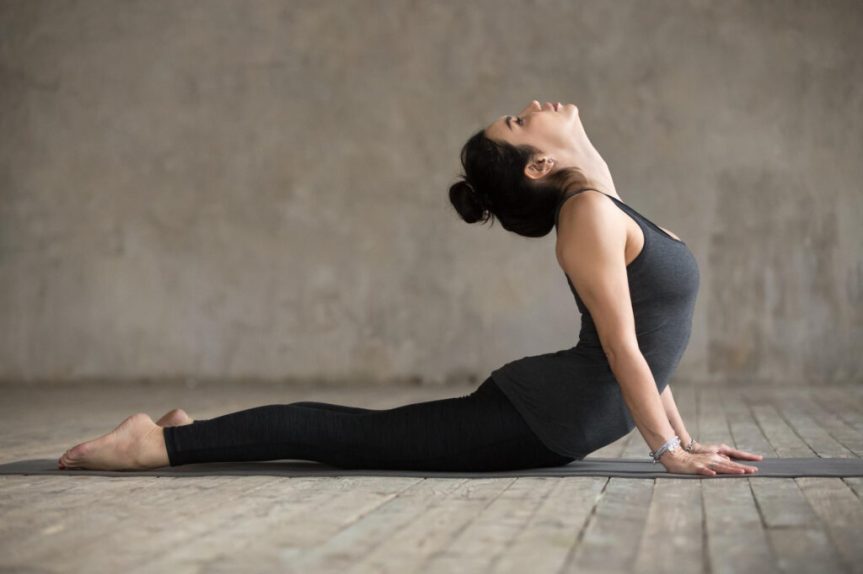
Singaporeans are increasingly conscious of their cardiovascular health, especially as urban lifestyles bring long working hours, sedentary habits, and diets that may not always be heart-friendly. With cardiovascular disease being one of the leading health concerns globally, people are looking for sustainable ways to support heart function beyond medication and traditional exercise. Many are turning to yoga Singapore as a natural, holistic approach to maintaining a healthy heart and balanced lifestyle.
Why Heart Health Matters in Singapore
Cardiovascular health is not just about avoiding heart attacks or strokes, it is about maintaining optimal circulation, energy levels, and long-term well-being. In Singapore’s fast-paced society, common factors that affect heart health include:
-
Prolonged desk-bound work leading to reduced circulation.
-
High stress levels caused by competitive professional environments.
-
Diets rich in processed foods and sugar.
-
Lack of regular physical activity.
Yoga addresses many of these challenges by combining movement, controlled breathing, and mindfulness practices that directly benefit the heart.
How Yoga Improves Circulation
Healthy circulation ensures that oxygen-rich blood reaches every part of the body. Yoga poses, particularly those that stretch and compress different muscle groups, encourage blood flow and prevent blockages.
-
Inversions like Shoulder Stand or Legs-Up-the-Wall improve venous return to the heart.
-
Twisting postures encourage circulation through the abdominal organs and spine.
-
Flow-based practices like Sun Salutations stimulate the heart and improve stamina.
Better circulation reduces the risk of blood clots, improves oxygen delivery, and supports a healthier cardiovascular system overall.
Stress Reduction for a Healthier Heart
Stress is a silent contributor to many cardiovascular conditions. High cortisol and adrenaline levels raise blood pressure and strain the arteries over time. Yoga’s mindful approach helps reduce these risks.
-
Breathing techniques calm the nervous system and reduce blood pressure.
-
Meditation lowers resting heart rate and anxiety levels.
-
Gentle yoga sequences at the end of the day help the body transition into a state of rest and recovery.
By managing stress effectively, yoga reduces one of the most common risk factors for heart disease in Singapore.
Strengthening the Cardiovascular System
Yoga is not just gentle stretching, certain styles and sequences challenge the body in ways similar to aerobic exercise. Practising more dynamic flows can elevate the heart rate while still being lower-impact than jogging or gym workouts. This makes it accessible to people of all ages, including seniors who need safer forms of activity.
Benefits of regular cardiovascular strengthening through yoga include:
-
Improved endurance for daily tasks.
-
Lower resting heart rate over time.
-
Greater lung capacity and oxygen efficiency.
Yoga and Blood Pressure Control
High blood pressure, or hypertension, is common in Singapore and often goes undetected until it causes serious health issues. Yoga provides natural ways to regulate blood pressure by:
-
Relaxing the vascular system through deep breathing.
-
Improving artery flexibility via stretches and gentle movements.
-
Promoting hormonal balance that prevents chronic tension in the blood vessels.
Research has shown that even 20 minutes of daily yoga practice can have a measurable impact on blood pressure control.
Building Heart-Healthy Habits with Yoga
Yoga is not just about the practice itself, it naturally encourages healthier lifestyle choices that benefit the heart. Practitioners often find themselves:
-
Becoming more mindful about food choices, favouring fresh and balanced meals.
-
Developing better sleep routines, which reduce stress and allow the body to repair itself.
-
Engaging in consistent physical activity, even on busy days.
These changes collectively reduce cardiovascular risks and support long-term wellness.
Emotional Well-Being and the Heart
Heart health is not purely physical, it is strongly connected to emotional balance. Negative emotions such as anger and anxiety can increase heart strain, while joy and calmness reduce it. Yoga’s emphasis on mindfulness and self-awareness provides tools for emotional regulation.
-
Practising gratitude during meditation lowers stress responses.
-
Group classes foster social connections that boost emotional well-being.
-
Mindful breathing helps manage mood swings and promotes inner calm.
This emotional stability translates into a healthier heart and more balanced life.
Creating Consistency in Practice
Like any health strategy, the benefits of yoga for heart wellness come from consistency rather than occasional practice. Singaporeans can incorporate yoga into their routine by:
-
Attending structured classes two to three times per week.
-
Setting aside 15 minutes daily for pranayama or meditation.
-
Practising restorative sequences before bedtime to improve sleep and recovery.
Consistency ensures that the heart continues to strengthen while stress and tension are kept under control.
The Importance of Community Support
One of the overlooked aspects of yoga is the sense of community it fosters. Social support is linked to better heart health, and practising yoga with others provides motivation and encouragement. Studios like Yoga Edition offer a welcoming environment where individuals can progress safely while building meaningful connections.
FAQs on Yoga and Heart Health
Q: Can yoga fully replace cardio workouts for heart health?
Not entirely. While yoga improves circulation and strengthens the cardiovascular system, it is best complemented by walking, swimming, or other moderate aerobic exercises for comprehensive heart care.
Q: How soon can I expect results in my heart health from yoga?
Benefits such as reduced stress and better blood pressure control can be felt within a few weeks. Long-term benefits like improved endurance and reduced cardiovascular risk require consistent practice over months or years.
Q: Are there any yoga poses that should be avoided by heart patients?
Yes, individuals with advanced cardiovascular conditions should avoid extreme inversions or highly strenuous flows without medical clearance. Gentle restorative yoga and pranayama are safer options.
Q: Is yoga safe for seniors with heart conditions?
Yes, yoga is highly beneficial for seniors, provided the practice is tailored to their abilities. Gentle sequences, chair yoga, and guided breathing are excellent for maintaining heart health.
Q: Can yoga help lower cholesterol levels?
Indirectly, yes. By reducing stress, encouraging better eating habits, and promoting physical activity, yoga supports lower cholesterol and improved lipid profiles over time.
 Cares My Health Blog