

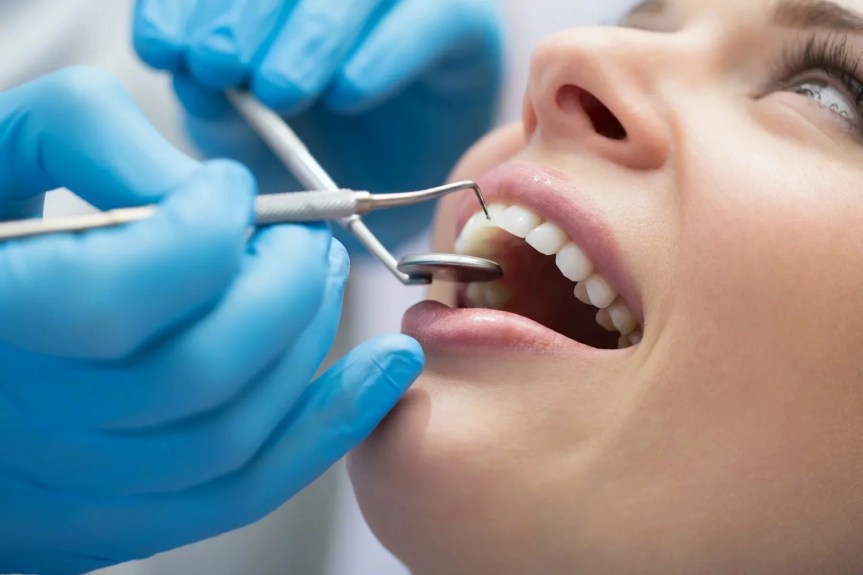
Dental health is a crucial aspect of overall well-being, influencing not only the appearance of your smile but also your general health. Proper care of your teeth and gums can prevent a multitude of problems and contribute to a higher quality of life. This guide provides a comprehensive overview of dental health, including daily care routines, common dental procedures, and strategies for prevention.
Understanding the Structure of Your Teeth
To properly care for your teeth, it’s helpful to understand their anatomy. Teeth are complex structures consisting of several layers:
Enamel: The outermost layer of the tooth, enamel is the hardest substance in the human body. It protects the inner layers of the tooth from damage and decay. Despite its strength, enamel can be eroded by acidic foods and beverages, making it essential to protect it with proper care.
Dentin: Beneath the enamel is dentin, a softer, yellowish material that supports the enamel and is sensitive to temperature changes. Dentin contains microscopic tubules that transmit sensations from the tooth’s surface to the nerves inside.
Pulp: The innermost part of the tooth, the pulp, contains nerves and blood vessels. It is essential for the tooth’s nourishment and sensation. If the pulp becomes infected, it can lead to severe pain and requires professional treatment.
Cementum: This is a calcified substance covering the roots of the teeth. It helps anchor the teeth to the jawbone through connective tissue, maintaining stability.
Essential Daily Dental Practices
Incorporating these daily practices into your routine will help maintain oral health:
Brushing: Brush your teeth at least twice daily with fluoride toothpaste. Fluoride strengthens enamel and helps prevent decay. Use a soft-bristled toothbrush to avoid damaging the enamel and gums. Brushing should last for two minutes, ensuring that all surfaces of each tooth are cleaned.
Flossing: Floss every day to remove plaque and food particles from between your teeth and below the gumline. Flossing helps prevent gum disease and cavities by reaching areas that a toothbrush cannot.
Using Mouthwash: An antibacterial mouthwash can help reduce oral bacteria, prevent gum disease, and freshen breath. Choose a product that contains fluoride to offer additional protection against cavities.
Dietary Considerations: A balanced diet supports dental health. Foods high in calcium, such as milk and cheese, strengthen teeth. Fresh fruits and vegetables promote healthy gums and reduce the risk of cavities. Limit sugary and acidic foods, which can erode enamel and contribute to tooth decay.
Importance of Routine Dental Visits
Regular dental visits are critical for maintaining oral health. During these appointments, your dentist will perform several important tasks:
Professional Cleanings: Dental hygienists remove plaque and tartar buildup that cannot be eliminated by brushing and flossing alone. These cleanings help prevent gum disease and cavities.
Examinations: Dentists examine your teeth and gums for signs of issues such as cavities, gum disease, or oral cancer. Early detection of problems allows for timely intervention and treatment.
X-rays: X-rays may be used to identify issues not visible during a routine examination, such as decay between teeth or problems with the bone structure. They are essential for comprehensive dental care.
Common Dental Procedures
Certain dental issues may require professional procedures to address:
Fillings: When a cavity forms due to tooth decay, a dentist will remove the decayed portion of the tooth and fill it with a material such as composite resin or amalgam. This restoration helps maintain the tooth’s function and appearance.
Root Canals: If the pulp inside a tooth becomes infected, a root canal procedure may be necessary. The dentist removes the infected pulp, cleans the interior of the tooth, and seals it. This procedure saves the tooth and relieves pain.
Crowns: Crowns are used to cover and protect damaged or weakened teeth. They restore the tooth’s size, shape, and strength. Crowns are often placed after a root canal or to protect a tooth that is cracked or worn.
Bridges and Implants: For missing teeth, bridges and implants are common solutions. A bridge consists of false teeth supported by adjacent natural teeth, while an implant involves placing a metal post into the jawbone to support a crown.
Preventive Measures for Optimal Dental Health
Preventing dental issues is often more effective than treating them. Consider these strategies:
Fluoride Use: Fluoride helps strengthen enamel and prevent cavities. It is present in most toothpaste and can also be applied during dental visits for additional protection.
Avoiding Tobacco: Tobacco use increases the risk of gum disease, tooth loss, and oral cancer. Avoiding tobacco products is essential for maintaining oral health.
Protective Gear: If you play contact sports, wearing a mouthguard can protect your teeth from injury and reduce the risk of dental trauma.
Addressing Dental Sensitivity
Dental sensitivity, characterized by discomfort from hot or cold stimuli, can be managed through:
Desensitizing Toothpaste: These toothpastes contain compounds that help block pain signals from reaching the nerves inside the teeth.
Avoiding Extremes: Steering clear of very hot or cold foods and beverages can help reduce sensitivity.
Consulting a Dentist: If sensitivity persists, it’s important to seek advice from a dentist to rule out underlying issues such as enamel erosion or gum recession.
Incorporating these practices into your daily routine and staying informed about dental procedures and preventive measures will help ensure a lifetime of healthy teeth and gums. Regular care and professional attention are the keys to maintaining your smile and overall oral health.
 Cares My Health Blog